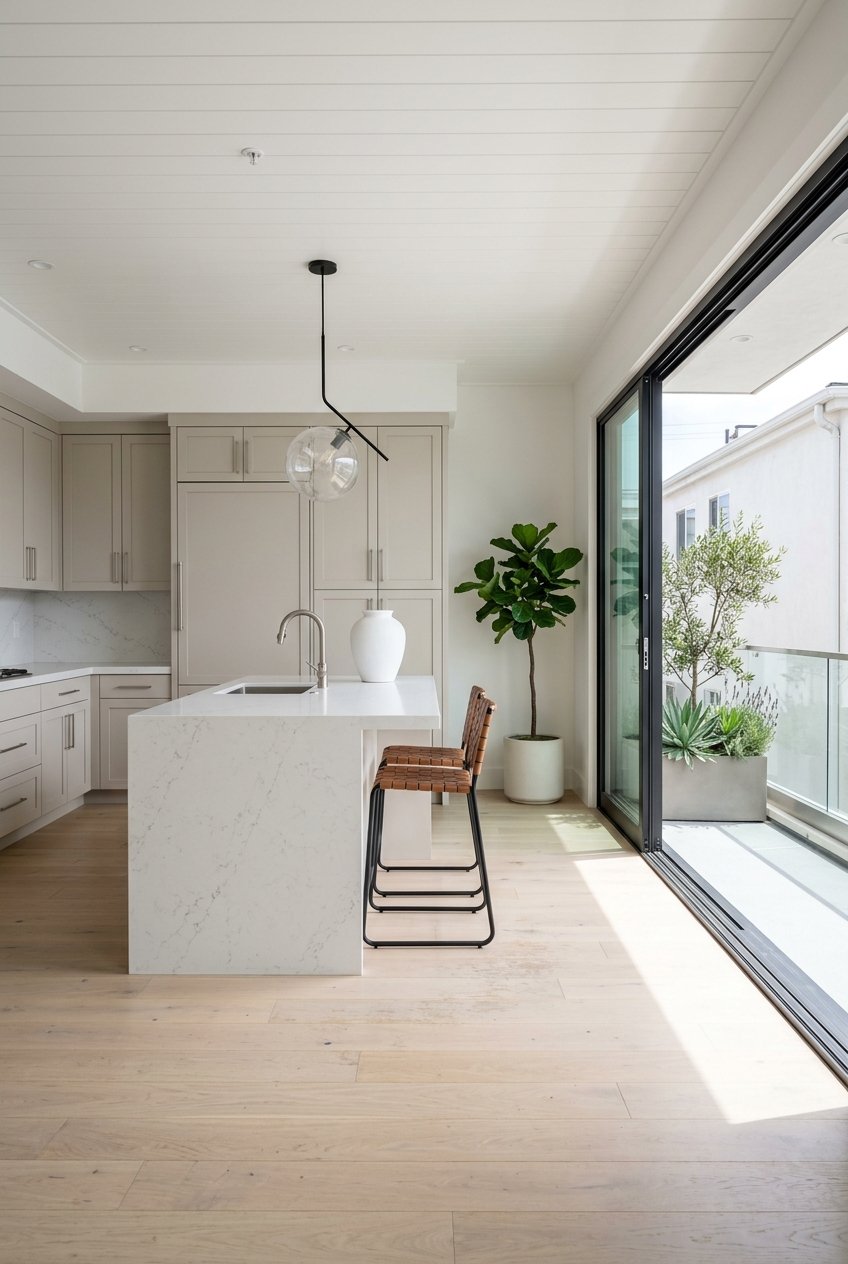
What makes a South Bay beach home feel unmistakably right the moment you step inside? In Hermosa Beach, it is rarely one dramatic feature alone. More often, it is a collection of thoughtful design choices that connect the home to the walk street, the ocean air, and the easy rhythm of coastal living. If you are buying, selling, or simply refining your sense of what defines this market, these details can help you see Hermosa homes more clearly. Let’s dive in.
Hermosa Beach Design Starts Outside
Hermosa Beach has a distinct architectural backdrop shaped by its small beach-town pattern, eclectic neighborhoods, and strong connection to the pedestrian experience. According to the City of Hermosa Beach planning documents, many homes are designed to face walk streets or The Strand with porches, patios, and decks that engage the public-facing side of the property.
That detail matters because it helps explain why so many Hermosa homes feel outward-looking. Instead of turning inward behind deep front setbacks or enclosed facades, they often open toward the street, the path, or the view line. The result is a home that feels tied to its setting, not separated from it.
Walk-Street Orientation Shapes the Feel
One of the clearest design signatures in Hermosa Beach is the way homes respond to walk streets. In these areas, architecture often prioritizes porches, decks, and patios that face the pedestrian realm, while lower walls and fences help preserve outdoor space and protect views, as described in the city's coastal planning framework.
For you as a buyer or seller, this means curb appeal works differently here than it might in other neighborhoods. A well-designed exterior is not only about the facade. It is also about how the home meets the walkway, frames outdoor living, and creates a sense of openness from the first impression.
Porches and Decks Do More Than Add Space
In Hermosa, porches and decks are not just bonus features. They are part of the local design language. They create places to sit, entertain, or simply enjoy coastal light and air while keeping the home visually connected to its surroundings.
That connection is one reason these features carry lasting appeal. They support the beach lifestyle people come here for while also reinforcing the architecture that makes Hermosa feel authentic.
Long Sightlines Create a Coastal Mood
South Bay beach homes are often defined by visual openness. Local planning language around view orientation, setbacks, open space, rooflines, and reduced bulk supports homes that feel lighter and more connected to the outdoors.
You can see that same idea in modern California coastal design, where large expanses of glass help merge interior and exterior living. A featured home in LUXE Interiors + Design highlights a 16-foot wall of glass that opens to an outdoor entertaining area, showing how strong sightlines can shape the entire experience of a home.
Open Living Feels Natural Here
In beach homes, open living works best when it serves the setting. Instead of feeling oversized for the sake of scale, the strongest layouts guide your eye toward light, patios, decks, or horizon views.
That is why even subtle design choices matter. A wide opening between kitchen and living space, a clean run of windows, or a direct line to an outdoor terrace can make a home feel more expansive without adding unnecessary visual weight.
Indoor-Outdoor Living Is a Core Detail
If there is one feature set that defines the South Bay beach-home lifestyle, it is the transition between interior and exterior space. Hermosa planning documents consistently point to patios, porches, and decks as central elements of how homes function in the coastal environment.
For you, that often shows up as a home that lives larger than its square footage suggests. A compact footprint can feel surprisingly generous when living areas spill naturally onto a front patio, a view deck, or a roof level designed for open-air use.
Design That Opens to the Horizon
Hermosa also treats public views toward the ocean as part of the city’s architectural setting. The city notes the role of compact blocks, ocean-oriented design, and rear or alley-access parking in keeping frontages more pedestrian-friendly and visually open, according to the Hermosa Beach General Plan and Local Coastal Program.
That helps explain a defining South Bay feeling: homes that seem to open in multiple directions at once. They can engage the street, capture daylight, and still preserve a sense of retreat.
Roof Decks Add a Distinct South Bay Layer
Roof decks are a recognizable part of the local housing landscape, especially in homes where elevation can expand outdoor use and enhance views. Hermosa Beach public notices include residential roof-deck additions, reinforcing that these spaces are a real and established part of the market rather than a passing trend. You can see that context in city planning notices.
For buyers, a roof deck can feel like an extra living room under the sky. For sellers, it is often one of the easiest features to understand emotionally because it captures exactly what many people imagine when they think about coastal property.
Elevated Outdoor Rooms Matter
The appeal of a roof deck is not only the view. It is also the flexibility. It can serve as a lounge area, a dining space, or a quiet spot to unwind at the end of the day.
At the same time, South Bay cities approach these spaces with clear design considerations. In Redondo Beach, for example, objective residential standards define roof decks as outdoor living areas and address privacy, height, and noise. That broader context helps show why well-designed roof decks in Hermosa tend to feel intentional rather than overbuilt.
Materials Matter Near the Coast
The modern South Bay look is usually less about themed beach décor and more about clean lines, natural texture, and durable finishes. This aligns with Hermosa’s guidance that building materials and landscape design should relate to local climate, topography, history, and building practices, as outlined in the city's planning documents.
In practical terms, that often means homes that favor wood tones, generous glazing, and low-maintenance surfaces that can hold up in coastal conditions. The look reads polished, but it is grounded in function.
Contemporary Coastal Is Usually Subtle
The strongest homes in this market rarely rely on obvious nautical styling. Instead, they use restraint. Think warm woods, crisp light finishes, and materials chosen to weather daily use and salty air with less fuss.
That subtle approach gives a home staying power. It also photographs beautifully, which matters when a property is being positioned to stand out online and in marketing.
Utility Spaces Support Beach Living
A great beach home does not only shine in the main living areas. It also handles the realities of sand, gear, and daily movement with ease. Coastal design examples often include practical transition spaces such as outdoor showers, surf storage, or laundry and mudroom-style buffer zones.
A coastal feature in Architectural Digest illustrates this well, showing how functional support spaces can help keep wet gear and sand from overtaking the rest of the house. While not a formal planning term, this idea fits naturally with how many South Bay homes are used.
Small Details Improve Daily Function
If you are evaluating a home, pay attention to the in-between spaces. Where do shoes, towels, boards, or beach bags go? Is there an easy transition from outside to inside?
These details may not be the first features you notice in a listing, but they often shape how comfortable the home feels once you live there. In a beach market, practicality is part of good design.
Hermosa Feels Different From Nearby Beach Cities
Hermosa Beach shares a coastal design vocabulary with Manhattan Beach and Redondo Beach, but the tone is different. Hermosa’s appeal often comes from its mix of original cottages, newer beach-style homes, and a more eclectic rhythm from block to block.
Manhattan Beach, by contrast, emphasizes a low-profile, human-scale character with careful attention to reducing bulk, protecting vistas, and preserving open space, according to the Manhattan Beach Land Use Element. Its coastal permit framework also reflects a more structured development context in the coastal zone.
Redondo Beach offers another contrast because its residential guidelines identify several prevalent architectural styles, including Spanish, Craftsman, Mediterranean, Contemporary, and Neo-Traditional, through its objective design standards. That gives Redondo a more formal style framework.
Hermosa’s Character Is More Eclectic
What sets Hermosa apart is the blend. You may find an older clapboard cottage near a newer contemporary home, all within a setting that still feels closely tied to the beach, the walk street, and the horizon.
That mix creates personality. It also means that understanding value here requires more than looking at square footage or finish level alone. Design context matters.
Why These Details Matter in Real Estate
For buyers, these design details help you identify whether a home truly fits the South Bay lifestyle you want. For sellers, they help explain which features deserve stronger visual storytelling and more intentional presentation.
In a market like Hermosa Beach, the most memorable homes usually do not succeed because they are flashy. They succeed because their design feels connected to place. When a home captures the best of walk-street orientation, indoor-outdoor flow, durable materials, and elevated outdoor living, it tends to resonate more deeply with the right buyer.
If you are considering a move, preparing a property for the market, or looking for a more nuanced read on what gives Hermosa Beach homes their edge, Gary E. Richardson offers the kind of local perspective and editorial-level guidance that can help you see both lifestyle and value more clearly.
FAQs
What design features are most common in Hermosa Beach homes?
- Common features include porches, patios, decks facing walk streets or The Strand, open sightlines, indoor-outdoor living areas, roof decks, and materials chosen for coastal conditions.
Why do Hermosa Beach homes often feel more open to the street?
- Hermosa Beach planning emphasizes pedestrian-oriented design, public views, and homes that engage walk streets and outdoor spaces rather than turning inward behind heavily enclosed fronts.
How do roof decks affect South Bay beach-home design?
- Roof decks add usable outdoor living space, often improve view opportunities, and reflect a well-established coastal design feature in the South Bay.
How is Hermosa Beach design different from Manhattan Beach design?
- Hermosa Beach tends to feel more eclectic, with a mix of cottages and newer beach homes, while Manhattan Beach is generally described in planning documents as more low-profile, human-scale, and tightly managed in form.
What materials make sense for a coastal home in Hermosa Beach?
- Durable, lower-maintenance materials, natural wood tones, generous glazing, and landscaping suited to local climate conditions are all consistent with the area’s coastal design context.
Why do utility spaces matter in South Bay beach homes?
- Utility spaces such as outdoor showers, surf storage, and laundry transition zones help manage sand, wet gear, and daily beach use, which makes the home more functional over time.
