Wondering why two homes only a few blocks apart can feel like different worlds in Manhattan Beach? When you live here, small shifts in location change your daily rhythm, from how you get to the beach to where you park and how you plan errands. If you are mapping out a move or testing the market, understanding these micro-neighborhoods will help you choose the right fit. This guide breaks down how each area shapes everyday life so you can make confident decisions. Let’s dive in.
Manhattan Beach at a glance
Manhattan Beach is a small coastal city in Los Angeles County’s South Bay, set between Hermosa Beach and El Segundo. You get the Strand, year-round beach access, and an outdoor lifestyle that revolves around surf, sand, and sun. Proximity to job centers in El Segundo and Silicon Beach, plus easy access to LAX, also shape how locals commute. The housing market is supply constrained and expensive, with the highest premiums near the sand, on view lots, and in walkable pockets by the pier and downtown.
How neighborhoods shape your routine
Locals often talk about four areas: the Sand Section by the beach, the Tree Section in the central residential grid, the Hill Section on elevated terrain, and the neighborhoods east of Sepulveda. Boundaries can be soft and sometimes overlap. What matters most is how each setting affects your daily life, from walkability and parking to home styles and renovation plans.
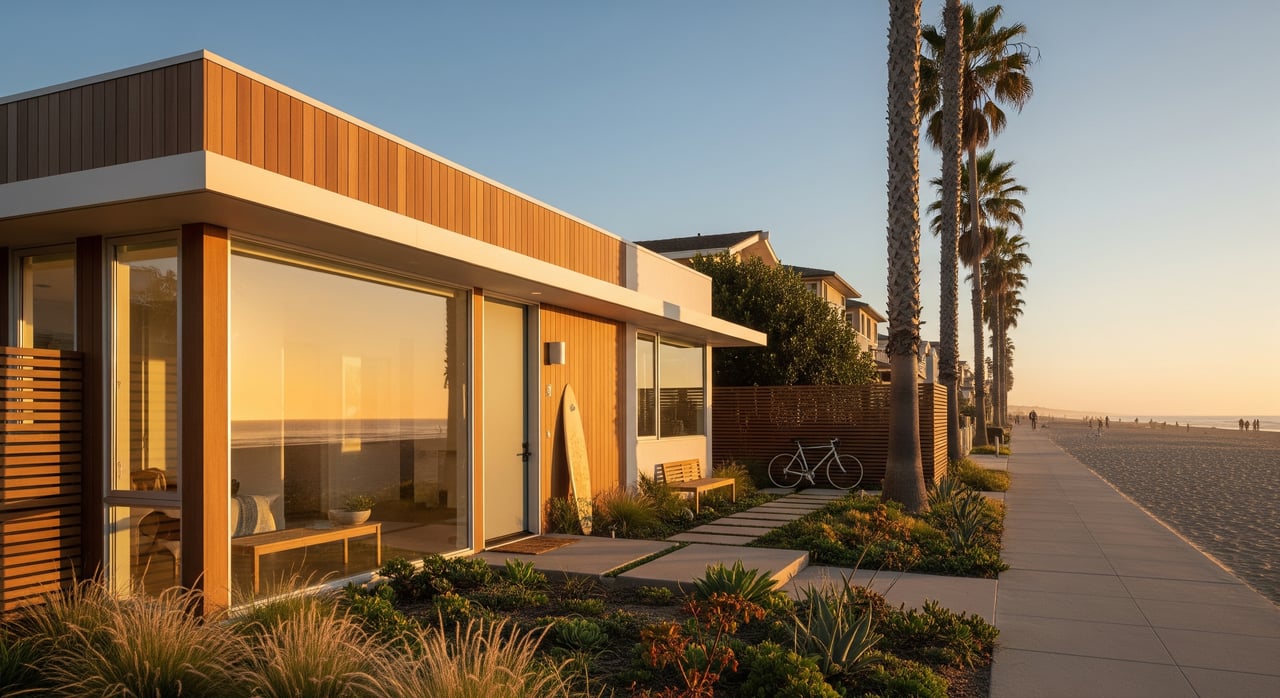
Sand Section: beach-first living
Lifestyle snapshot. If you want to feel the beach in your day from sunrise to sunset, this is where it happens. You can walk or bike to the Strand, the pier, volleyball courts, and cafés. Weekends are active with visitors and events, especially in summer.
Walkability and parking. You can run most leisure errands on foot or bike. Street parking is tight near the beach and can be crowded on warm days. Many properties rely on compact garages or driveways, and you may see residential permits or time limits on select blocks.
Home styles and lots. Expect a mix of oceanfront condos, modern beach houses, large remodels, and small-lot, vertical builds designed to capture views. Parcels are often shallow, and homes are built up rather than out.
Price and expectations. Values here are among the highest per square foot in the city. You pay for direct sand access, unobstructed views, and walkability to downtown.
What to watch. Coastal rules, flood zones, and sea-level considerations affect insurance, design, and permitting. Projects in the coastal zone often require added review and specific setbacks.
Tree Section: classic neighborhood balance
Lifestyle snapshot. This area offers quiet residential streets with mature trees and a community feel. Many residents enjoy front yards, local parks, and a slightly calmer pace. You may walk to schools and neighborhood cafés, with downtown still within reach by foot or a short drive.
Walkability and parking. Walkability is moderate and depends on your block. Parking is easier than the Sand Section, with many homes offering two-car garages and driveways. Access to major streets is convenient for daily errands.
Home styles and lots. You will see Craftsman and bungalow homes, Mediterranean styles, mid-century ranches, and select new builds. Lots are typically wider than beach parcels and allow for larger yards.
Price and expectations. Prices are high, though often lower per square foot than prime beachfront. The combination of neighborhood character and school assignments supports strong demand.
What to watch. Mature trees and older infrastructure can impact maintenance. Check local zoning when planning remodels or accessory dwelling units.
Hill Section: views and privacy
Lifestyle snapshot. Elevated lots offer privacy and sweeping outlooks. Daily life can feel quieter and more private, with scenic walks on gentle or steep streets. Many errands are done by car, especially if your route includes hills.
Walkability and parking. Walkability varies. Some homes are a reasonable walk to the beach or downtown, but grade changes matter. Attached garages and private driveways are common, which helps with parking.
Home styles and lots. Expect larger, often custom homes designed for views, from modern to traditional estates. Irregular lot shapes and multi-level designs are common due to topography.
Price and expectations. View properties are among the most premium in the city. Long view corridors and custom builds often push prices to the top end.
What to watch. Slope, drainage, and geotechnical factors can influence renovation plans, timelines, and inspection needs. Be ready for specialized reports on additions or rebuilds.
East of Sepulveda: space and day-to-day ease
Lifestyle snapshot. If you want larger lots and easier parking, this area tends to deliver. Your daily routine is more car-centric, though the beach is still a short drive or bike ride away.
Walkability and parking. Walkability to the pier and downtown is lower, and most errands require a vehicle. Streets are wider, parking is easier for guests, and two-car garages are common.
Home styles and lots. You will find older ranch styles, mid-century tract homes, and consistent parcels well-suited for additions, pools, or an accessory dwelling unit, subject to zoning.
Price and expectations. Per-square-foot pricing is often lower than the Sand, Hill, and prime Tree Section blocks, while still reflecting Manhattan Beach’s premium market. Many buyers value the lot size and relaxed feel.
What to watch. You will be farther from immediate beach amenities. Commute routes vary, so test your drive at typical times.
Tradeoffs to consider
- Sand Section vs. East of Sepulveda: Choose between peak walkability to the Strand and dining versus more space, easier parking, and larger yards.
- Hill Section vs. Tree Section: Compare panoramic views and privacy to classic neighborhood streets and a central location.
- Lot size vs. view: A bigger yard inland may compete with a compact footprint near the ocean. Pick the element you will value every day.
- Parking and access: If entertaining is frequent, prioritize garages and guest parking. If you live on your bike, proximity to the Strand might come first.
- Remodel potential: Coastal and hillside rules can affect scope and timeline. Inland parcels can offer simpler options, depending on zoning.
How to research your exact block
Use these steps to confirm details for a specific address before you tour or write an offer.
Check the coastal zone and permitting. Contact the City of Manhattan Beach Planning Department to learn if the property sits in the coastal zone and what approvals apply. Ask about height limits, setbacks, and design review.
Review flood and sea-level considerations. Look up FEMA flood maps and local sea-level planning for beach-adjacent properties. Ask your insurance broker how location and elevation impact coverage.
Confirm school boundaries. Verify which schools serve the address with Manhattan Beach Unified School District. Boundaries can change over time and affect buyer demand.
Understand parking rules. Check the city’s parking division or municipal code for permit zones, time limits, and street sweeping schedules. Rules are updated and can vary by block.
Evaluate geotechnical needs. For Hill Section or bluff-proximate homes, ask your inspector about soils, drainage, and foundation requirements before planning additions.
Study recent sales and new builds. Review local MLS or brokerage reports to gauge pricing, common home styles, and rebuild trends in your section.
Map your commute and errands. Test drive times to El Segundo, Silicon Beach, and LAX at peak hours. Note access to Sepulveda, Highland, and Rosecrans.
Commute and mobility notes
Public transit options are limited compared to denser urban cores, so most residents drive. Major arterials like Sepulveda, Highland, and Rosecrans influence your routes. If you travel often, proximity to LAX is a major advantage. For daily fitness or errands, the Strand offers a car-free path for bikes and joggers, which can become part of your routine if you live nearby.
Seasonal rhythm by the beach
Summer brings more visitors to the pier and the Sand Section, which affects parking and weekend energy. Winter days tend to feel calmer, with easier access and fewer crowds. Wind, fog, and tides can shift your beach routine from season to season, so try visiting your target blocks at different times and days. If you value quiet, your tolerance for activity near events matters as much as your distance from the sand.
What shapes value beyond location
- Schools. School assignments are neighborhood-based and often drive demand. Verify boundaries for any address you consider.
- Coastal regulation. Properties in the coastal zone face added review, which can affect remodel timelines and design choices.
- Hazard and insurance factors. Beachfront or bluff-adjacent homes may involve flood or geotechnical considerations. Insurance availability and cost vary by location and elevation.
- Parking and local ordinances. Blocks near downtown and the Strand have the most parking pressure. Know the permit rules before you commit.
- Development trends. Infill and teardown-to-new-build activity is common, especially in the Sand and Tree Sections. Watch for local changes to height, lot coverage, and ADU standards.
Choosing your Manhattan Beach fit
Start with your daily rhythm. If you picture sliding out for a morning surf and walking to dinner, the Sand Section may feel like home. If you want a tree-lined street with a larger yard and simpler parking, the Tree Section checks those boxes. For sweeping views and privacy, look to the Hill. If you prefer more space and a calmer feel with easy guest parking, explore east of Sepulveda. There is no single right answer. There is only what you will love every day.
When you are ready to tour or discuss timing, work with a local advisor who understands the nuance of each block, from permit history to parking dynamics. Schedule a private consultation with Gary E. Richardson to align your lifestyle goals with the right Manhattan Beach address.
FAQs
What are the main Manhattan Beach neighborhoods?
- Locals often refer to the Sand Section by the beach, the Tree Section in the central grid, the Hill Section on elevated terrain, and neighborhoods east of Sepulveda, each shaping walkability, parking, and home styles.
How does parking work near the beach and pier?
- Parking is limited near the Strand and downtown, especially in summer, and some blocks use residential permits or time limits, so confirm the current rules with the City of Manhattan Beach.
Do school boundaries affect home searches in Manhattan Beach?
- Yes, elementary through high school assignments are neighborhood-based and often influence demand, so verify the specific school boundary for any address with Manhattan Beach Unified School District.
What risks should I consider for beachfront or hill homes?
- Beachfront properties may face flood and sea-level considerations, and hillside homes can involve geotechnical and drainage factors, which can affect inspections, permitting, and insurance.
Is living east of Sepulveda less walkable to the beach?
- In general yes, you will rely more on driving for beach trips and errands, though you gain larger lots, easier parking, and more space compared to beach-adjacent areas.
How do coastal regulations affect remodels?
- Projects within the coastal zone must comply with local and state coastal programs, which can add steps to design, setbacks, and approvals, so plan timelines accordingly.
