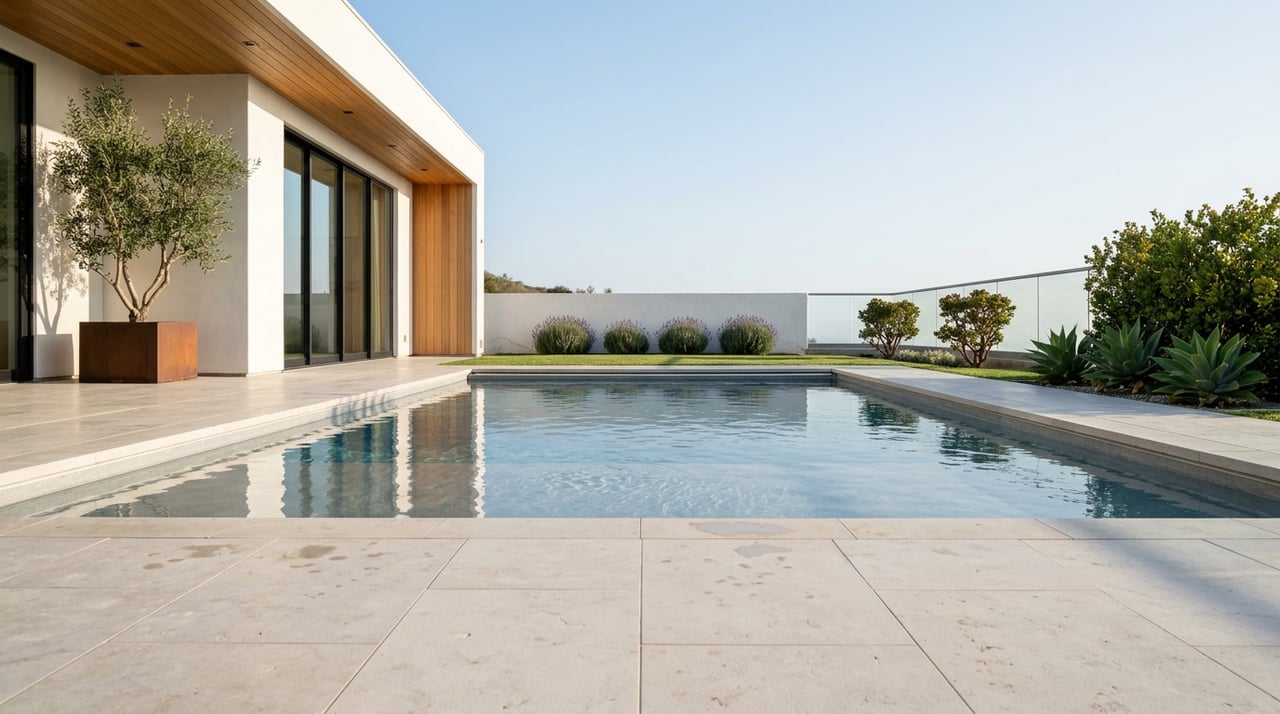
Craving more room to breathe, unbroken ocean panoramas, and a quieter coastal rhythm than the busy beach towns? If you are comparing South Bay options, West Palos Verdes stands out for space, views, and privacy. In this guide, you will see how the area delivers that estate-like feel, how daily life differs from Manhattan and Hermosa, and what to know about trails, permits, and due diligence before you buy. Let’s dive in.
Why it feels spacious
West Palos Verdes sits on the sea-facing edge of the Palos Verdes Peninsula, where lower-density planning and larger lots shape a calmer residential environment. Across the peninsula, certain cities established generous lot minimums and strict coverage rules, which contribute to the open, estate-quality character you notice on a simple drive. For example, several Rolling Hills residential zones still carry one-acre minimums in the municipal code, a standard that sets a peninsula-wide tone for space and privacy. You can see that framework in the city’s zoning chapters for Rolling Hills, which preserve low-density, equestrian-style living over time.
By contrast, many Manhattan Beach neighborhoods allow much smaller minimum lot areas in their municipal code. That legal backdrop explains why the beach cities feel denser and more foot-traffic oriented, while West Palos Verdes feels quieter and more spread out. If you value elbow room, landscaping, and separation between homes, the peninsula’s planning history is working in your favor.
Ocean views and cliffside drama
The west side offers cliff-top vantage points that frame Catalina Island, the open Pacific, and evening lights to the north and east. One of the best public overlooks is the Point Vicente Interpretive Center, a longstanding whale-watching site with sweeping views and seasonal gray whale sightings.
Along the shoreline, you will find coves and tidepools rather than broad sandy beaches. Abalone Cove includes a protected State Marine Conservation Area and a shoreline park with steep trails down to tidepools when open. Before you plan a visit, check current access updates on the city’s Abalone Cove Shoreline Park page.
Trails, preserves, and outdoor access
If you love walking and hiking, the peninsula trades the Strand’s flat beach walk for cliff-top trails, canyon routes, and tidepool exploration. The Palos Verdes Peninsula Land Conservancy manages an extensive network of preserves, including Portuguese Bend Reserve, Abalone Cove, Alta Vicente, and Ocean Trails. Browse trail maps and preserve overviews on the Conservancy’s lands page.
Because land movement has accelerated at times in the Portuguese Bend and Abalone Cove area, some trails and beach access points have been temporarily closed or restricted. For the latest status, review the City of Rancho Palos Verdes Land Movement Updates and confirm specific site advisories on the Abalone Cove park page before setting out.
Privacy and day-to-day calm
Daily life in West Palos Verdes is more residential in character, with fewer commercial corridors and a higher share of single-family neighborhoods. You will find a quieter rhythm, especially away from the resort and golf course areas. Unlike the walk-to-dinner convenience of the beach towns, many residents here rely on cars for errands and commuting. Limited fixed-route transit serves the peninsula, so plan your routines around driving rather than a pedestrian main street.
Buyer guide: what to know
Market position and value
Prices vary by micro-neighborhood, views, and lot scale. As a recent snapshot, Redfin reported a median single-family sale price around 2.4 million dollars for Palos Verdes Estates in February 2026, while many reports showed Manhattan Beach near 4.0 million dollars that month. These figures shift by season and source, but they illustrate a common pattern: interior or hillside homes on the peninsula can offer value compared with smaller beach-city lots, while bluff-top estates and panoramic view properties command premium pricing. Always review the latest neighborhood data when you are ready to make a move.
Hazards and due diligence
Parts of the peninsula, including the Portuguese Bend complex, have a long-documented history of land movement. The City of Rancho Palos Verdes actively monitors conditions, posts advisories, and manages a landslide remediation program. If you are considering a bluff-edge or slope-area home, make slope stability a central part of your diligence. Start with the city’s overview of the Portuguese Bend area and its current Land Movement Updates, then engage qualified geotechnical professionals early in your process.
Key steps to consider:
- Ask for prior geotechnical reports, permits, and engineering records tied to the property.
- Confirm whether the parcel lies within mapped landslide boundaries or specific geologic overlays.
- Review any active advisories related to utilities, access, or emergency orders.
Coastal permitting and timelines
Some West Palos Verdes properties are within the Coastal Zone and subject to the City of Rancho Palos Verdes’ certified Local Coastal Program. Significant projects near the bluffs or shoreline can require Coastal Development Permits, with added time, public review, and potential conditions. For background, see the City’s Local Coastal Program materials, including Appendix C, and the California Coastal Commission’s overview of coastal development permits. If you plan major renovations or new coastal construction, factor permitting into your schedule from day one.
Fire safety and insurance
Updated state Fire Hazard Severity Zone maps and local safety plans can influence building standards, defensible space requirements, and insurance availability. Review the City’s hazard mapping resources, including the latest Fire Hazard Severity Zone materials available in the Document Center, and confirm coverage options with your carrier. Ask about slope-related exclusions and any special conditions that apply to your address.
Schools and academic options
The Palos Verdes Peninsula Unified School District is widely recognized for strong performance and remains a draw for many family buyers. You can view the district’s recent highlights and rankings on the PVPUSD site. School choices and programs evolve over time, so verify current offerings and enrollment details directly with the district.
HOAs and gated enclaves
Several areas on and near the west side include HOA-managed communities, private roads, or golf-course-adjacent enclaves. HOA fees and CC&Rs can influence design options, short-term rental policies, and community amenities. Request full HOA documents early and budget time to review architectural guidelines if you plan to remodel.
A day in West Palos Verdes
Start your morning with coffee and a walk along the bluffs, then stop at the Point Vicente Interpretive Center to scan for whales spouting offshore. If the shoreline is open and conditions allow, explore tidepools at Abalone Cove, keeping an eye on posted access notices and tides. In the afternoon, choose a Conservancy-managed trail for a canyon-to-cliff loop and finish with a Catalina-facing sunset from one of the public overlooks. It is a different coastal vocabulary than the Strand, with the same blue horizon but far more solitude.
Is West Palos Verdes right for you?
Choose West Palos Verdes if you want larger lots, ocean-to-horizon views, and everyday privacy. Expect a car-based routine and be ready for a bit more planning around coastal permits or geotechnical diligence on bluff-slope properties. Many residents find the trade-offs worthwhile for the space and serenity you cannot easily replicate in denser beach neighborhoods.
If you are weighing options across the South Bay, it helps to compare lifestyle and logistics side by side. Straight-line distance from Manhattan Beach to Rancho Palos Verdes is about 10 miles, and off-peak drives commonly range between 20 and 40 minutes depending on route and traffic. Spend a day exploring the overlooks, preserves, and neighborhoods to feel how the pace fits your life.
Ready to explore on-the-ground options or discuss a discreet search strategy? Schedule a private consultation with Gary E. Richardson to align the right property, diligence plan, and timeline with your goals.
FAQs
What defines West Palos Verdes for homebuyers?
- It is the sea-facing edge of the Palos Verdes Peninsula, known for lower-density residential neighborhoods, larger lots, bluff-top views, and a quieter, estate-like coastal feel.
How are the views different than Manhattan Beach?
- Many West Palos Verdes homes and public overlooks capture Catalina Island, open Pacific horizons, and city lights from high bluffs, a contrast to the beach-and-pier vistas in the flatter sand sections.
Are there sandy beaches in West Palos Verdes?
- Shoreline access is focused on coves and tidepools rather than broad sandy beaches. Check status and access details for places like Abalone Cove before you go.
What due diligence is essential near the bluffs?
- Review the City’s Portuguese Bend resources, monitor Land Movement Updates, and engage geotechnical experts early. For projects in the Coastal Zone, budget time for Coastal Development Permits.
How strong are local public schools?
- The Palos Verdes Peninsula Unified School District is highly regarded. See recent highlights and rankings on the district’s official site and confirm current programs directly with PVPUSD.
Why does the area feel more private and spacious?
- Peninsula planning emphasizes lower density and larger lots. Rolling Hills, for example, maintains one-acre minimums in several zones, which helps preserve an open, estate-like character across nearby communities.
