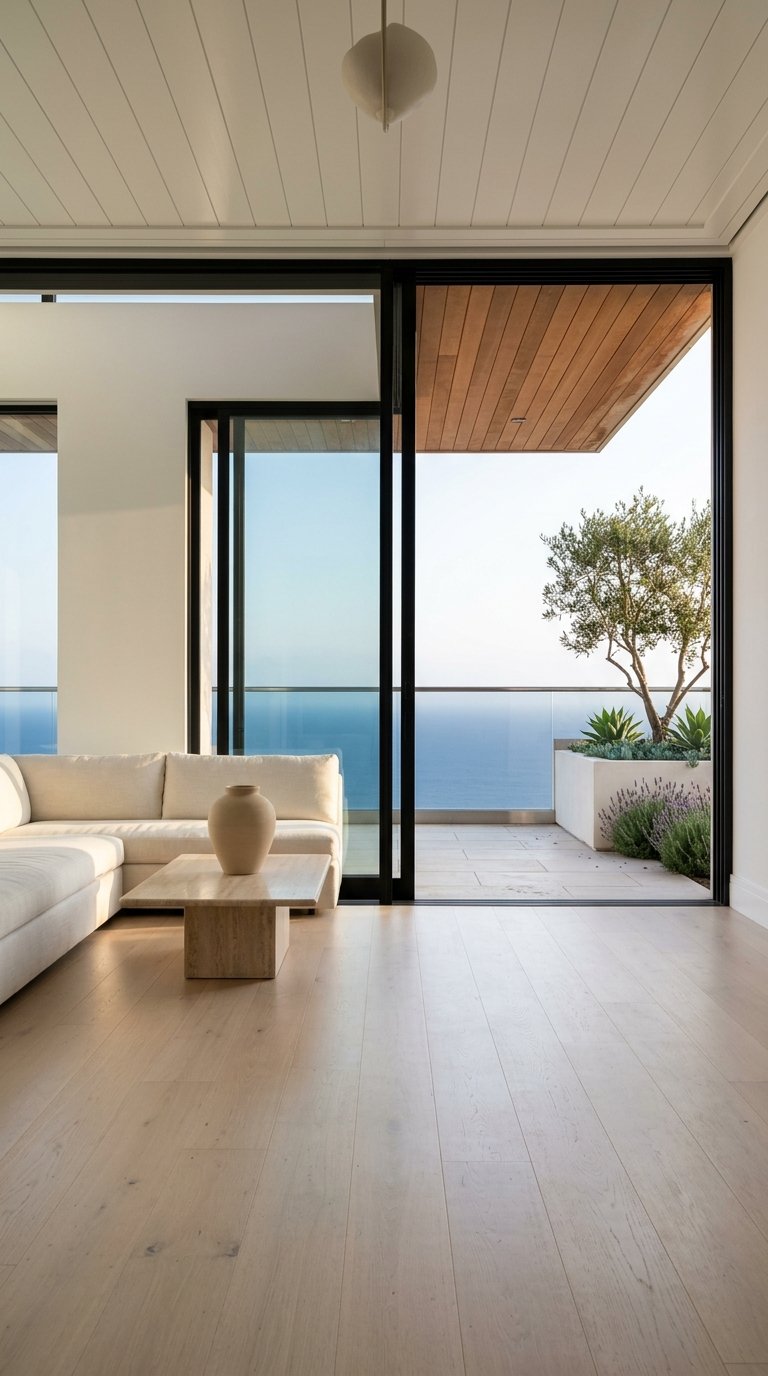
Selling a view home in West Palos Verdes is rarely as simple as checking a box for “ocean view” and choosing a price. In a market shaped by coastal hillsides, open space, and sightlines that can vary dramatically from one block to the next, buyers notice the difference between a sweeping panorama and a narrower framed view. If you want to position your home well, you need a strategy that accounts for pricing, presentation, and timing from the start. Let’s dive in.
Why views matter here
West Palos Verdes sits within a Peninsula setting where views are part of the area’s identity. Local government materials from Palos Verdes Estates and Rancho Palos Verdes describe the region in terms of ocean horizons, hillside terrain, open space, distant mountains, and city-light vistas. Rancho Palos Verdes also notes that these views are considered among the Peninsula’s most valuable natural resources.
That context matters when you sell. A buyer is not only evaluating square footage and finishes. They are also weighing how your home captures the setting, how protected the sightlines feel, and how the view interacts with privacy, light, and daily living.
Price view homes differently
A view premium is real, but it is not automatic or uniform. Research summarized in this ScienceDirect study shows that value changes based on the type and quality of the view, not simply whether a view exists. In other words, a broad ocean or harbor outlook may command a stronger premium than a limited or inconsistent sightline.
For West Palos Verdes sellers, that means your home should not be grouped casually with every other “view property.” The more accurate approach is to evaluate your home by view tier, orientation, and how the main living spaces actually experience the scenery.
Separate view tiers clearly
When pricing, it helps to sort comparable homes into practical categories such as:
- Panoramic or unobstructed views
- Framed or partial views
- Obstructed or seasonal views
This creates a more defensible pricing strategy than using one broad bucket for all homes with any glimpse of water, canyon, or city lights. It also helps you avoid overpricing based on an assumption that buyers will assign the same value to every sightline.
Look beyond the window
The best pricing conversations also account for how the home lives with the view. Orientation and elevation can affect:
- Width and depth of the sightline
- Natural light in main rooms
- Privacy from neighboring homes
- Whether the view is best enjoyed from living areas, bedrooms, or outdoor space
These details shape buyer perception. A dramatic view from the primary living spaces often reads differently than a view that is visible only from one secondary room or a small section of the yard.
Know the market backdrop
The broader Peninsula should be treated as a high-value market with meaningful micro-market differences. According to Zillow home value data, average home values as of March 31, 2026 were estimated at $2,763,820 in Palos Verdes Estates and $1,824,948 in Rancho Palos Verdes. At the broader Peninsula level, Realtor.com reported a $2,899,000 median listing price, 48 median days on market, and a 99% sale-to-list ratio in February 2026, classifying the market as balanced.
In a balanced market, your first impression matters. Buyers have options, and view homes often invite close comparison because the premium is tied to nuance. That makes pricing discipline and launch quality especially important.
Launch pricing matters most
In a market where many buyers start online, the first list price often carries more weight than later adjustments. Realtor.com’s Peninsula data points to a market where sellers should enter with a well-supported price rather than depend on reductions to regain momentum. Once a listing is perceived as aspirationally priced, it can be harder to reset the conversation.
For a West Palos Verdes view home, the goal is to launch at the most defensible value supported by view-adjusted comparables. That does not mean pricing timidly. It means pricing with precision so the home earns attention, showings, and meaningful buyer engagement early.
Why early traction is critical
The online phase is now central to the sale process. The National Association of Realtors reports that 81% of buyers rate listing photos as the most useful feature in their online search. The same reporting notes that buyers commonly want photos, detailed property information, virtual tours, videos, and floor plans.
That means your home is being judged first as a digital experience. If the photos, pricing, and positioning do not immediately communicate the value of the view, some buyers may move on before they ever schedule a showing.
Stage the home around the sightline
In a view property, staging should support what buyers came to see. According to NAR’s 2025 staging snapshot, 83% of buyers’ agents believe staging helps buyers visualize a property as a future home, and 60% say staging affects some buyers. The rooms most often staged include the living room, primary bedroom, and dining room, which are often the same spaces that frame the best views.
That is why the goal is not to decorate heavily. The goal is to create a calm, intentional interior that lets the eye travel naturally to the horizon, canyon, coastline, or evening lights.
What good staging should do
For a West Palos Verdes view home, effective staging usually means:
- Keeping furniture low-profile near major windows
- Avoiding bulky pieces that interrupt sightlines
- Using minimal window treatments when appropriate
- Arranging seating to acknowledge the view as a focal point
- Simplifying decor so the landscape does more of the visual work
The strongest result often feels edited rather than filled. Buyers should notice the room, but remember the view.
Time photography carefully
Photography is not just documentation. It is a major part of value communication. Since buyers rely so heavily on online imagery, every photo set should be planned to capture the home at the time of day when the view reads best.
NAR also notes that smart lighting can help highlight architectural details and unique spaces. For a view home, the practical takeaway is that interior lighting and natural light should work together, not compete with the windows.
Match the shoot to the view
Different views can shine at different times:
- Ocean-facing sightlines may benefit from bright, clear daytime conditions
- Canyon and open-space views may look strongest when shadows add depth
- City-light views may deserve twilight or evening imagery
A well-planned shoot can also include multiple moments if the property has more than one standout orientation. That can help buyers understand the full experience of the home, not just a single angle.
Describe the view accurately
One of the most important selling decisions is how you describe the view in marketing. In a high-value market, overstating a view can create disappointment at showings, while underselling it can leave money on the table.
The better approach is clear, specific language that matches what buyers will actually see. Terms such as panoramic, unobstructed, framed, partial, or seasonal can help set expectations in a credible way. That honesty builds trust and helps attract buyers who are truly aligned with the property.
Handle technical issues separately
West Palos Verdes and the broader Peninsula require thoughtful local awareness, but not every issue belongs in the marketing pitch. Rancho Palos Verdes states that its Conservation and Open Space Element update must account for geologic hazards and hillside stability. The city also adopted an ordinance in August 2025 permanently prohibiting new residential construction and additions in the landslide area, while still allowing repair or restoration within the existing footprint.
For sellers, the key takeaway is simple: presentation and pricing strategy should stay separate from technical evaluation. If questions arise about geology, legal considerations, repairs, insurance, or site-specific conditions, those should be directed to the appropriate professionals. Keeping those conversations clear and separate helps protect both the transaction and your credibility.
Build a tailored sale strategy
Because view quality is nuanced, the best sales plan is rarely one-size-fits-all. A strong strategy for a West Palos Verdes view home should bring together three things:
- A pricing model built on view-adjusted comparables
- Presentation that protects and highlights sightlines
- A polished launch with strong photography and digital marketing assets
That combination gives buyers a clearer reason to act. It also helps you frame the property as a distinctive offering rather than just another luxury listing on the Peninsula.
If you are preparing to sell a view home and want a more tailored plan for pricing, presentation, and launch strategy, schedule a private consultation with Gary E. Richardson. A thoughtful, well-executed approach can make a meaningful difference when your home’s value is tied so closely to what buyers see and feel.
FAQs
How should you price a view home in West Palos Verdes?
- You should compare your home to similar properties within the same view tier, such as panoramic, partial, or obstructed, rather than using all homes with any view.
How should you describe a partial view when selling a West Palos Verdes home?
- You should use accurate terms like framed, partial, or seasonal so buyers understand the sightline clearly and expectations stay aligned.
What rooms matter most when staging a West Palos Verdes view home?
- Living rooms, primary bedrooms, and dining rooms often matter most because they are commonly staged and frequently frame the home’s best views.
When should you photograph a West Palos Verdes view property?
- You should schedule photography for the time of day when the view shows best, whether that is bright daytime for ocean outlooks or twilight for city-light scenes.
When should sellers ask specialists about hillside or geologic concerns in West Palos Verdes?
- Sellers should refer questions about geologic conditions, hillside stability, legal issues, insurance, or technical property concerns to qualified specialists rather than relying on marketing materials alone.
