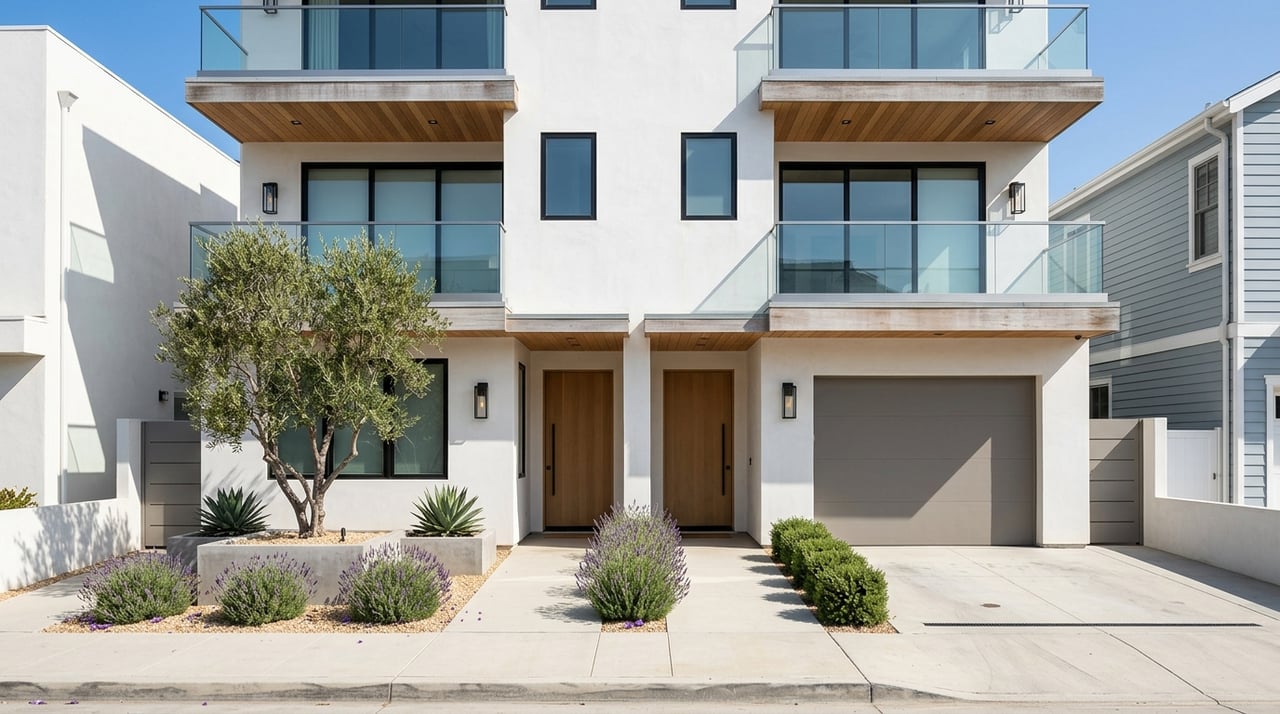
If you are thinking about buying an income property in Redondo Beach, it is easy to focus on the coastline and the rent potential first. But in a high-value coastal market, the better investment decision usually comes from understanding zoning, rental rules, building age, and realistic operating costs before you write an offer. This guide will help you sort through the key local facts so you can evaluate opportunities with more clarity and confidence. Let’s dive in.
Redondo Beach Market Basics
Redondo Beach is a compact coastal city of just 6.21 square miles with an estimated 2024 population of 68,075. Recent Census data shows a median household income of $150,245, a median gross rent of $2,691, and a median value of owner-occupied housing of $1,279,200.
For you as a buyer, that points to a market with strong home values, limited land, and a meaningful rental base. It also means purchase prices can be high relative to current income, so careful underwriting matters.
The city’s housing profile also supports the case for long-term rentals. In the city’s 2019 housing element profile, 51.9% of units were owner-occupied and 48.1% were renter-occupied, which shows that renting is a significant part of the local housing mix.
Property Types You May Encounter
Redondo Beach income property is not limited to one format. The city’s housing framework includes single-family areas, low-density and medium-density multifamily zones, high-density multifamily zones, and mixed-use areas.
That matters because the type of property you buy can shape everything from tenant demand to maintenance costs to future flexibility. In practical terms, you may come across single-family homes used as rentals, duplexes, triplexes, fourplexes, apartment buildings, townhomes, and condos.
Small Multifamily Is a Real Segment
Small multifamily properties are an important part of the local market, not a fringe category. According to the city’s housing element profile, 13.2% of units were in 2 to 4 unit buildings and 31.1% were in buildings with 5 or more units.
If you are considering a duplex, triplex, or fourplex, you are looking at a property type with real presence in Redondo Beach. That can be attractive if you want multiple income streams on one parcel or are exploring a live-in-one, rent-the-other strategy.
Townhome vs. Condo Matters
A local nuance worth knowing is that Redondo Beach treats townhomes as a form of single-family attached housing. The city also notes that a condominium is a legal form of ownership rather than a building type.
For you, this distinction matters because two properties may look similar on the outside but come with different ownership structures and lease implications. Before buying, make sure you understand whether you are purchasing a fee-simple attached unit, a condo interest, or another ownership form.
Older Housing Stock Requires Reserve Planning
One of the most important local facts for investors is the age of the housing stock. The city reports that 66% of housing units were more than 40 years old and another 25% were at least 30 years old during the planning period.
That does not mean older properties should be avoided. It does mean you should look beyond the asking price and current rent roll to understand future repair exposure.
What to Review Before Closing
When a building is older, your review should be more detailed. Pay close attention to:
- Roof age and condition
- Plumbing and sewer line history
- Electrical system updates
- Windows and exterior wear
- Deferred maintenance in common areas
- Unit-turn costs between tenants
- Ongoing capital reserve needs
In a market like Redondo Beach, an attractive location can distract buyers from physical condition. A disciplined inspection and reserve plan can help you avoid overestimating net income.
Know California Rent and Lease Rules
Before buying any occupied income property in Redondo Beach, you should understand how California rental law may affect rent growth, tenant turnover, and lease enforcement. These rules can directly influence your business plan after closing.
Rent Increase Limits
California’s Tenant Protection Act generally limits annual rent increases to 5% plus the regional CPI change, or 10%, whichever is lower, over any 12-month period. The statute also requires rent discounts, incentives, concessions, or credits to be listed separately from gross rent.
This is a key underwriting point. If you are looking at below-market rents, do not assume you can raise them quickly to your target number.
Some Properties May Be Exempt
The same California statute exempts certain properties, including housing with a certificate of occupancy from the previous 15 years and some separately alienable single-family or condo-style properties if the required statutory notice is provided. Whether a property is exempt depends on the specific facts and documentation.
For that reason, it is smart to verify exemption status during your due diligence rather than making assumptions from the listing description alone.
Just-Cause Rules Can Affect Turnover
California Civil Code 1946.2 also matters when you buy a tenant-occupied property. Once a covered tenancy reaches 12 months of continuous lawful occupancy for all tenants, or 24 months for at least one tenant, termination generally requires a stated cause.
The law also requires an opportunity to cure for curable lease violations and requires relocation assistance or a rent waiver for no-fault terminations. If your strategy depends on quickly changing occupancy, renovating units, or resetting rents, this part of the review is especially important.
Security Deposit Limits Changed
California now caps security deposits at one month’s rent for most residential tenancies. There is a limited exception that can allow up to two months’ rent for a qualifying natural-person landlord or LLC that owns no more than two residential rental properties totaling no more than four units.
This may seem like a small detail, but it affects move-in cash flow assumptions and lease setup. If you are buying an occupied property, review current deposit handling and lease language before closing.
Short-Term Rentals Are Not Permitted in Residential Zones
This is one of the most important local rules for Redondo Beach buyers. The city states that short-term rentals of less than 30 days are not permitted in residential zones, including single-family and multifamily residential areas.
The city also states that transient uses and hotel or motel classifications are not permitted in those residential zones. If part of your investment thesis is based on vacation-rental income, a beach-close address alone does not make that strategy viable here.
Underwrite Vacancy Realistically
Redondo Beach had a 4.7% rental vacancy rate in 2019, according to the city’s housing element. The city notes that this is close to the 5% level cited as an optimal rental vacancy benchmark for mobility.
That is a useful signal that the long-term rental market has been relatively tight. Still, a citywide vacancy figure should not be treated as a promise of uninterrupted occupancy for your property.
Budget for Turnover and Make-Ready Work
The city’s overall vacancy rate of 7.9% included seasonal or occasional-use units, units under remodel, and units that were rented or sold but not yet occupied. That is why your underwriting should separate broad market statistics from property-level leasing risk.
In practice, you should budget for:
- Normal tenant turnover time
- Cleaning and repairs between leases
- Leasing delays
- Marketing time for vacant units
- Unexpected maintenance before re-occupancy
This is especially relevant in older buildings, where make-ready costs can be higher than expected.
A Smarter Redondo Beach Buy Box
If you want to buy well in Redondo Beach, focus on more than the rent roll. A strong opportunity usually starts with the right combination of location, property type, physical condition, and legal clarity.
As you compare options, keep these questions in mind:
- What zoning and housing type am I actually buying?
- Is the property likely covered by California rent cap and just-cause rules?
- Are current rents, deposits, and lease terms documented clearly?
- How old are the major systems, and what reserves should I carry?
- Is my plan based on long-term rental income rather than short-term rental use?
- Have I budgeted for vacancy, repairs, and turnover conservatively?
In a high-value coastal market, discipline often matters more than speed. The best deals are not always the ones with the flashiest projected returns. They are the ones that still make sense after you account for real-world constraints.
If you are weighing an income property purchase in Redondo Beach, local perspective can make a meaningful difference. For tailored guidance on South Bay investment opportunities and property evaluation, schedule a private consultation with Gary E. Richardson.
FAQs
What should you know about rental demand in Redondo Beach before buying an income property?
- Redondo Beach has a meaningful renter base, with 48.1% renter-occupied units in the city’s housing profile, and its compact coastal setting, high home values, and strong household income support long-term rental demand.
What property types are common for income property buyers in Redondo Beach?
- Buyers may encounter single-family rentals, townhomes, condos, duplexes, triplexes, fourplexes, and larger apartment buildings, with 2 to 4 unit buildings and 5+ unit buildings making up a substantial share of local housing.
What lease laws matter when buying a tenant-occupied property in Redondo Beach?
- California rules on rent increase limits, just-cause termination, and security deposit caps can all affect your income, turnover timing, and lease structure, so they should be reviewed during due diligence.
What should you know about short-term rentals in Redondo Beach before investing?
- Redondo Beach does not permit short-term rentals of less than 30 days in residential zones, so investors should base their underwriting on long-term rental use instead.
Why is building age important when buying an income property in Redondo Beach?
- Because much of the city’s housing stock is older, buyers should plan for repairs, deferred maintenance, unit-turn costs, and periodic system replacement as part of their reserve strategy.
